
Intense Emotions

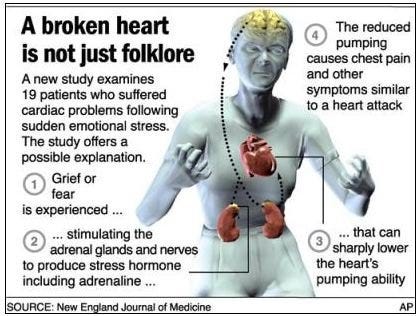
It hurts when you're really sad or depressed. There's a reason why it's called a heartbreak. The extreme sadness actually causes the chest to ache with symptoms similar to a heart attack. Scientists from the University of Arizona and the University of Maryland have recently uncovered the link between mind and body in this case and published it in 2009.
According to them the part of the brain responsible for controlling emotional reactions (anterior cingulate cortex) becomes more active whenever we are under severe emotional stress. This leads to many reactions. Chief among them are the stimulating of the vagus nerves (found in the chest and abdomen region) leading to a sensation of pain in these regions (heartache and gut feeling).
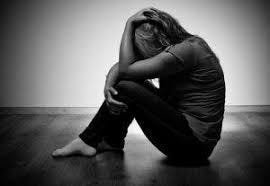
According to researchers at Brown University, women are more at risk of developing the Broken Heart Syndrome (Takotsubo Cardiomyopathy) which basically mimics a heart attack by weakening the heart muscles when under severe emotional stress or sadness. They have hypothesized that in these situations, massive amounts of stress hormones like metanephrine and normetanephrine are released in excess with addition to proteins such as neuropeptide Y, brain natriuretic peptide, and serotonin. This goes straight to the heart weakening it causing it to stop functioning temporarily. This is one of the most serious forms of emotions translating into physical pain and have killed people. In fact, one of the patients being studied actually died. Also the fact that 95% of those affected by Takotsubo Cardiomyopathy are women indicates that the relation between emotional and physical pain is different for those of opposite sex.
I myself have felt heartache several times when I was under immense emotional duress, sadness or major depressions. It shouldn't be taken lightly and those prone to it actually have a higher probability of developing heart problems in the future.
Although the biological pathways underlying these connections between physical and mental pain are not well understood, studies such as these are revealing how intricate the connection is and how very real the pain of heartache can be.
You see, we have neurons around our heart as well, like our brain has, although not nearly so sophisticated. So emotional pain often evokes real physical pain as well.
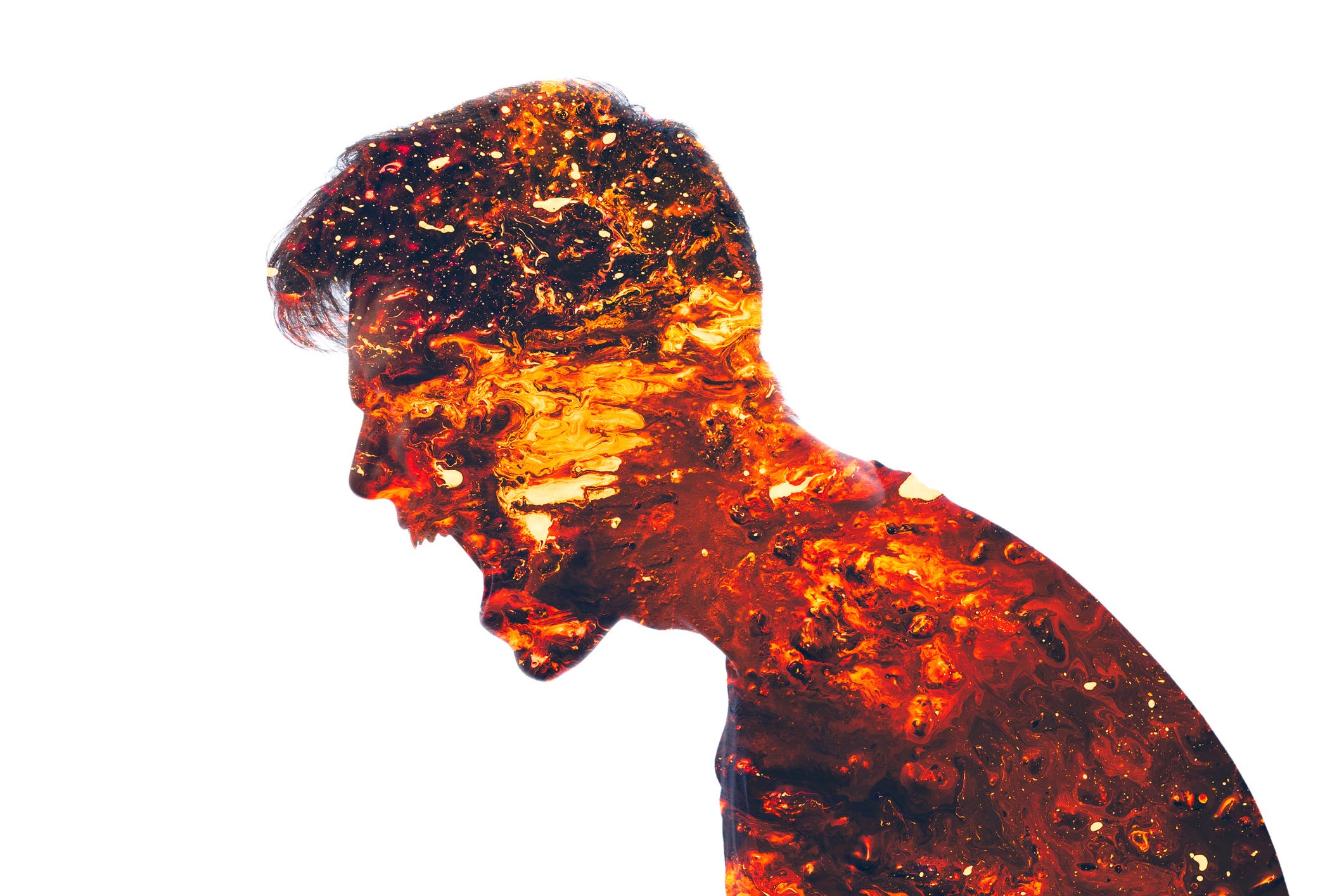
During intense moments of distress, I feel such a build up on physical pain in my arms. And I'm wondering if arm pain (specifically of the left arm) is the pain mimicking a heart attack. I'm not saying it is causing a real heart attack, but presenting symptomology of one. There are a number of ways in which arm pain and anxiety can be related.
For example, people with anxiety disorders may be more likely to experience muscle tension and pain. This is because when we’re anxious, our muscles tend to tense up as part of the body’s “fight-or-flight” response. This response leads to discomfort and pain.
In addition, people with anxiety disorders may be more likely to obsess over their bodily sensations and interpret them as signs of danger. This can lead to a condition called somatization disorder, in which physical symptoms are caused or exacerbated by psychological factors. People with somatization disorder may be more likely to experience arm pain as a result of their anxiety.
Anxiety attacks can also cause arm pain. During an anxiety attack, our heart rate and blood pressure increase, and we may breathe more quickly. This can lead to a tightening of the chest muscles, which can in turn cause pain in the arms.
Finally, anxiety can also cause or worsen existing health conditions that cause arm pain. For example, anxiety can contribute to the development of conditions like carpal tunnel syndrome and tennis elbow. And if you already have one of these conditions, anxiety can make your symptoms worse.
Why do we have to experience such strong emotions that it manifests in physical ways? Simply because we are human and that is the way we’re wired. I hate the phrase, “Why do bad things happen to good people?” or “I’m a good person, so xyz…”. Only one person is good and He suffered the most unimaginable physical, emotional, and spiritual pain possible…
Why? Because of His great love.
You see, until we reach heaven, we will experience pain. Jesus said, “In the world you will have tribulation. But take heart; I have overcome the world” (John 16:33). Furthermore, the Scripture tells us that “He makes his sun rise on the evil and on the good, and sends rain on the just and on the unjust” (Matthew 5:45). Meaning, whether you are in Christ or an atheist, you will surely experience difficulty in this lifetime. However, the believer can be comforted with God’s promise that He will and does use ALL things for good, primarily the sanctification of His children. No trial will ever be wasted for those who are in Him.
Ok, but HOW do you handle this pain when it comes? What do you do when you find out you have miscarried for the 3rd time or when your closest friend passes away? Where do you turn when your marriage is in shambles or you have been ostracized from your family? In whom do you confide when your debt is piling up or your health is deteriorating?
I’ll admit, too often I have turned to everything but God in my suffering. I’ve had plenty of opportunities to learn and grow from my suffering, and I often didn’t take the opportunity to draw nearer to God, but instead just existed in it until it was over. This world offers so many forms of escape! It’s human nature to desire to run as far as possible from the pain (Psalm 55:6-7). Starvation, gossip, self-harm, or mind-numbing entertainment in the form of television are just a few of the “refuges” I’ve chosen in my short lifetime. In those great moments of despair, I wanted nothing more than for the pain to go away, which ironically is an idol in and of itself. These sinful tactics do seem to work, temporarily. However, turning to sin ultimately leads to greater despair. You cannot control the bad things happening to you or around you, but you can control how you respond. Will you honor God with your response?
We read about extreme suffering throughout Scripture. There is certainly nothing sinful about suffering. Psalm 77:4 says, “You hold my eyelids open; I am so troubled that I cannot speak. Job in great agony proclaimed, “I would rather be strangled-rather die than suffer like this” (Job 7:15). Yes, you read that correctly. Even a child of God became so overwhelmed with despair that he pleaded with God to take his life. The Psalmists as well pleaded and begged for God to intercede on multiple occasions. One notable difference about the psalms is that almost all of them end with the Psalmist, the sufferer, reminding himself of who God is. Psalm 77:11 continues, “I will remember the deeds of the Lord; yes, I will remember your wonders of old.” He continues by recounting specific works of the Lord, when He led the Israelites out of Egypt. He counsels himself to remember what God has done.
This was the crucial part for me. I am really good at crying out to God. The problem is, I often stop right there. I kept crying and replaying in my mind all of the reasons why I was overcome with grief. I never counseled myself to remember GOD. How life changing this has been for me.
We all desire for someone to understand our pain though, don’t we? Isn’t it comforting when someone has walked a similar road before, wraps their arm around you and simply says, “I understand.” I’m so thankful to have that in Christ. Isaiah 53:3 says He was “a man of sorrows, and acquainted with grief.” Meditate on that. He gets it. He wants you to cry out to Him, all while He carries you through it.
Pain is not something to fear or run from. Why? Because if we allow it, it will draw us closer to the most precious gift we have ever received, Christ. I was greatly impacted by this quote from Spurgeon,
“I have learned to kiss the wave that tosses me against the Rock of Ages.”
Wow. I hope to eventually come to the point that I can thank God for using whatever painful circumstances are necessary in order to bring me to His feet.
INTENSE TIMES REFINE US
I’ve been through multiple surgeries and periods of rehabilitation. So, the idea that we have to endure pain in order to heal is not a foreign concept to me. And it is not isolated to the physical realm. This is true in our spiritual lives as well.
When we encounter God’s grace and he makes us his child through faith in Christ, he doesn’t leave us as we are. Upon salvation, though we are changed in the eyes of God as he looks at us and sees Christ’s righteousness and not our sin, he doesn’t make us perfect right then and there. Rather, he changes and transforms us through a process theologians call sanctification. This process is compared to a refiner’s fire where the gold or silver’s impurities are melted away, leaving the pure and valuable substance behind (Malachi 3).
What that means is, when I ask God to transform me, to make me more like Christ, He doesn’t instantly change me. He strips away my sin through a multitude of circumstances and situations.
Like any sane person, I tend to avoid pain. But we can’t avoid the pain of sanctification if we want to grow in holiness. That’s our goal, to image Christ and be like Him.
Our Savior showed us that the way to healing was through the cross, through death, and He calls us to follow Him in it. “’He himself bore our sins’ in his body on the cross, so that we might die to sins and live for righteousness; ‘by his wounds you have been healed'” (1 Peter 2:24).
We are new creations, and as such, we have to put to death those things from our former life, those things that are not in keeping with our new identity as redeemed children of God. “Do not offer any part of yourself to sin as an instrument of wickedness, but rather offer yourselves to God as those who have been brought from death to life; and offer every part of yourself to him as an instrument of righteousness” (Romans 6:13).
Therefore, we endure hardship, suffering and trials because they are the means by which God shapes us and refines us. We know that He has a good purpose and plan for us and that the end result will be righteousness. “Endure hardship as discipline; God is treating you as his children. For what children are not disciplined by their father?” (Hebrews 12:7).
“In all this you greatly rejoice, though now for a little while you may have had to suffer grief in all kinds of trials. These have come so that the proven genuineness of your faith — of greater worth than gold, which perishes even though refined by fire — may result in praise, glory and honor when Jesus Christ is revealed” (1 Peter 1:6-7).
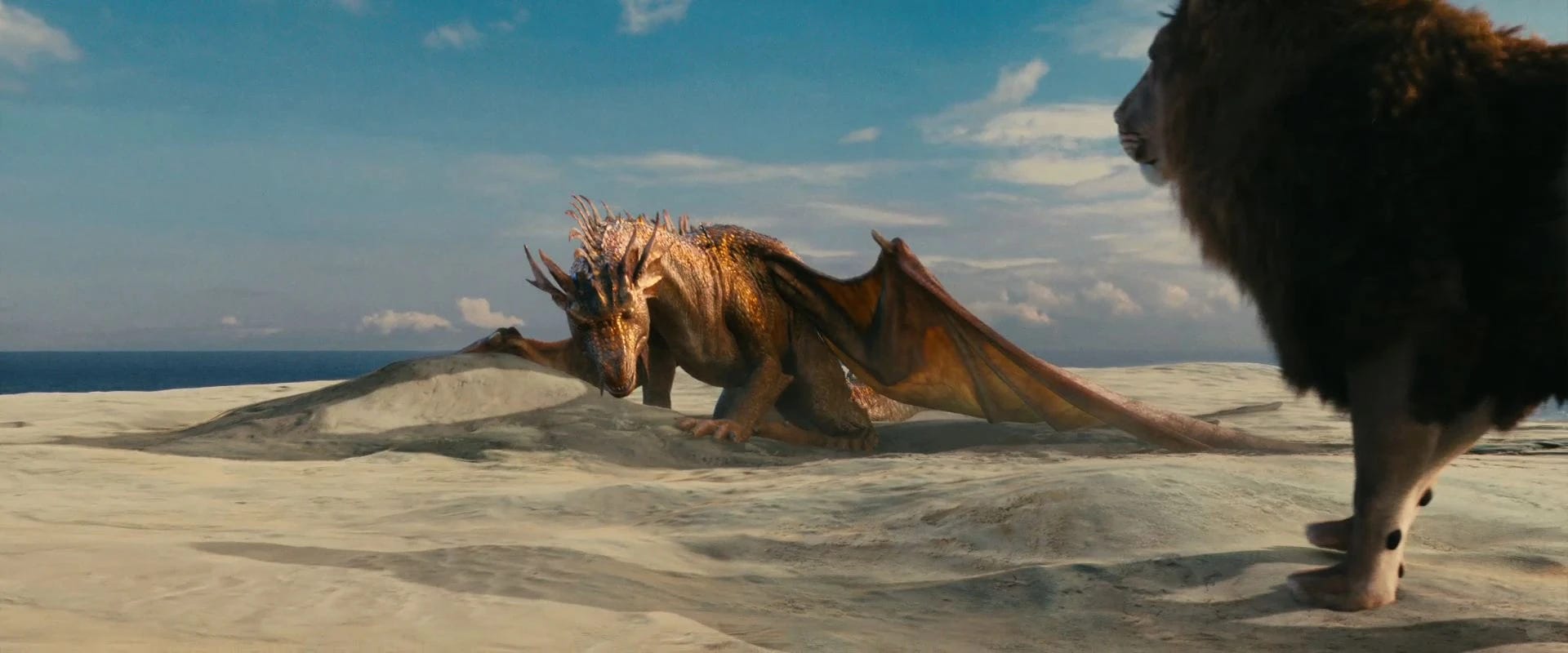
Whenever I struggle with the pain of sanctification, I often think of Eustace in the Voyage of the Dawn Treader. While their ship was anchored at an island, Eustace wandered off from everyone else to do his own thing. He found a cave filled with gold and treasures, and, in his greed, wanted it for himself. As a result, he turned into a dragon, covered in scales. “He had turned into a dragon while he was asleep. Sleeping on a dragon’s hoard with greedy, dragonish thoughts in his heart, he had become a dragon himself” (p. 75).
Aslan later found him and removed his dragon skin from him. It was painful, but it made him a boy again: “The very first tear he made was so deep that I thought it had gone right into my heart. And when he began pulling the skin off, it hurt worse than anything I’ve ever felt. The only thing that made me able to bear it was just the pleasure of feeling the stuff peel off” (p. 90).
Being refined is painful, but it’s a good pain. It is a necessary pain. It’s a pain that heals. But a day is coming when we will finally shed the last remnants of this sinful and broken life for good.
Good morning. Woke up this fine Saturday at 5:00 am and this was my first read. Fine and truthfull words Marley.
My youngest brother tried to commit suicide when he was 27. He slit his wrists. We had no idea - no idea whatsoever - that he was depressed. Thankfully he did not die and our journey learning what depression was began. Pain - I learned that he felt physical pain. He didn’t “look” sad so we had no clue that his sadness was interior. We did not see the signs. He seeked help and took the anti-depressants and got better. Sadly, he died at 29 while sky diving with a group. The last jumper was not very experienced and crashed into my brother and he fell without opening his shute. My brother was unconscious because of the hit. He didn’t have the emergency shute because he told me that they didn’t like them because sometimes they would open without you wanting and get tangled with the main shute. He was an avid sky diver. Because of his death they passed a law here that you have to have the emergency shute. I was pregnant with my fifth son when this happened. A week after he died I woke up with pneumonia and was bedridden for three weeks. I always thought I got sick because of the pain and sadness I felt because of his passing.
My eldest son died when he was 27. He lived in Miami and ended up in Mercy Hospital. I was lucky that in that hospital there was a priest that had an office there and this priest was also a psychologist. He was fantastic and a source of comfort during my time there. After my son died he told me to come by his office. During that visit he said something that has been for ever burned into my brain. He said that the pain I am feeling and will continue to experience is a pain that is felt because there was love. And that was okay. That pain is proof of love. Where I had to be careful was with sadness because it was an emotion and through it comes depression. He wanted to make sure that I distinguished between the two of them. And I am glad he did because it helped me immensely.
And yes Marley, only through faith - ONLY - can we find any meaning in our suffering. My mother had two of my siblings die while she was still alive. And she always said that she didn’t know how people managed life without any faith. And you are correct to state that we all will have crosses to bear at many points in our lives. Hopefully these crosses will bring us closer to Christ.
Thank you Marley for this Substack. I always enjoy your writings.
Well said🩵